Brick Design Trends: Bonding and Decorative Effects
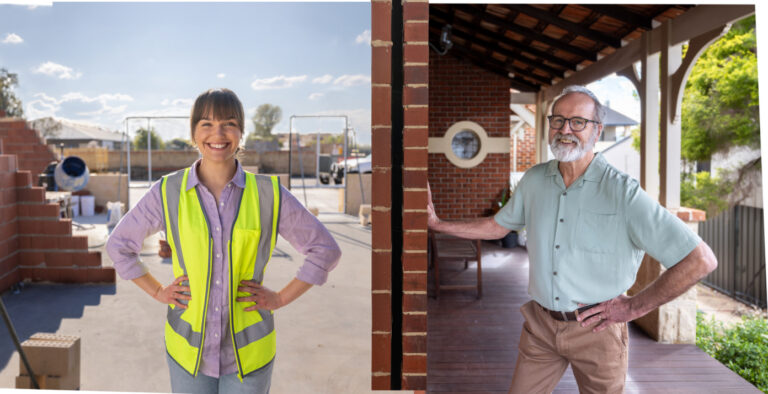
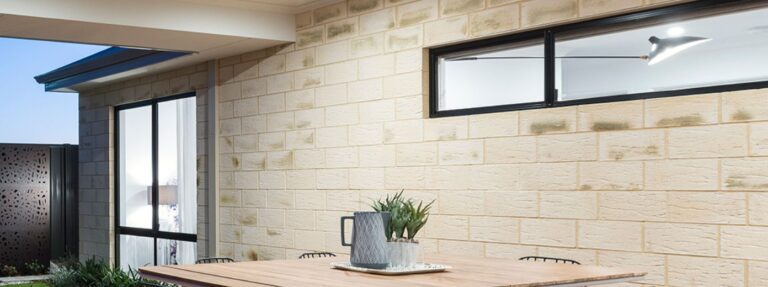
Clay bricks allow WA home owners to explore their individuality through interesting use of brick colours, sizes, laying patterns and design features throughout the house.
Here are just a few decorative effects and laying patterns that you can ask your builder or architect about to create a feature and add an extra design element to the whole building. They can be used individually or in combinations depending on the look you are trying to achieve.
Horizontal Stretcher
The Horizontal Stretcher pattern is the most common laying pattern which people are familiar with. You will see this pattern used in the majority of homes throughout Perth and WA.
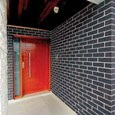
Vertical Stretcher
A Vertical Stretcher pattern is the opposite to Horizontal Stretcher and runs up and down a wall.
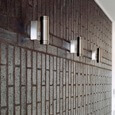
Stack Bond
Stack bond is where the bricks are laid directly on top of the next creating a more linear effect.
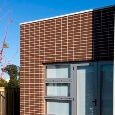
Vertical Soldier Course
Soldier coursing vertically lays bricks side by side across a wall.
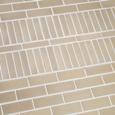
Header Course
Header courses use the short side of a brick as the exposed face and is commonly used around windows, edges and doorways and even as banding.
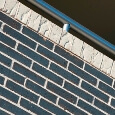
Banding
Banding is brickwork, normally in a different colour or texture, one or more courses high on a wall.

Racking
Racking is where the bricks are set back into the wall creating depth.

Corbelling
Corbelling is the opposite of Racking, where the bricks are set out from the wall playing on light and shadow.
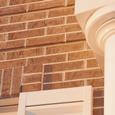
Quoining
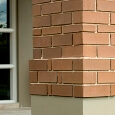
Quoining describes when corners are highlighted through colour or corbelling