Your Guide to Brick Mortar Colours
What is brick mortar?
Mortar is the glue that holds bricks together. When it’s applied, it starts off as a cement-like consistency, and over a short period of time it hardens to set the bricks in place.
Mortar is usually made on site from a mix of cement, lime, sand, water, and a colour additive when required. The proportions of the mix can vary depending on factors such as the brick type, location and local conditions.
How mortar colour affects the look of your build
Mortar is easily one of the most overlooked design considerations when building or renovating your home.
You may be surprised to learn that the mortar colour you choose has a big visual impact on the finish of your bricks.
Consider pairing a black brick with dark mortar and then imagine the same brick with white or a natural mortar colour. The impact is going to be completely different and can drastically change the style you’re trying to create.
To get an idea of the impact, the mortar used in a standard face brick wall accounts for about 20% of the visual area. It’s also important to remember that the more vibrant the brick is, the more important it is to choose the right mortar colour.
Brick mortar colour options
Here’s how the different mortar colour options compare.
Natural or grey
These two options are very common choices. This look helps the brick colour to stand out.
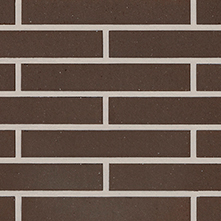
White or off-white
Great for highlighting the true colour of the brick, and is often used to create the classic red brick, white mortar look.
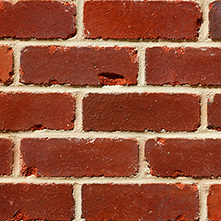
Cream or buff
Cream or buff mortar helps to blend in with lighter bricks for a less noticeable finish.
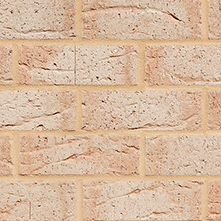
Coloured
Used to blend in with the brick colour and achieve a monochromatic, subtly textured look.
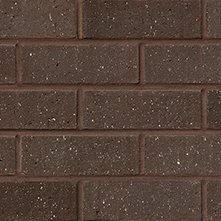
Of course, mortar colours can be specifically tinted to almost any shade, but care needs to be taken to avoid unintended disasters. Always talk with your builder or architect to get the very best advice and guidance.
Don’t forget about the mortar joint
The mortar joint refers to how the band of mortar between the bricks is finished.
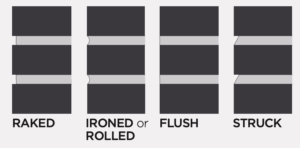
There are four types of mortar joints: Raked, Ironed or Rolled, Flush, and Struck.
Rolled joints are the most commonly known and used in Western Australia. Raked joints have a deep groove in the mortar, while Flush joints create a flatter look and will lighten the overall colour of the wall by minimising shadows.
When you’re in the midst of the building process, it’s helpful to have an understanding of the most appropriate mortar joint for the architectural style and location of your home. Each type of mortar joint has its own benefits, so make sure to speak with a professional before choosing your mortar joint and colour.
How to clean bricks and mortar
It is important to ensure correct cleaning methods are used to remove any mortar stains. Excessive use of acids for cleaning brickwork may cause staining which is difficult to remove and can permanently spoil the appearance of the brickwork. Brick cleaning should only be done by a trained professional.